
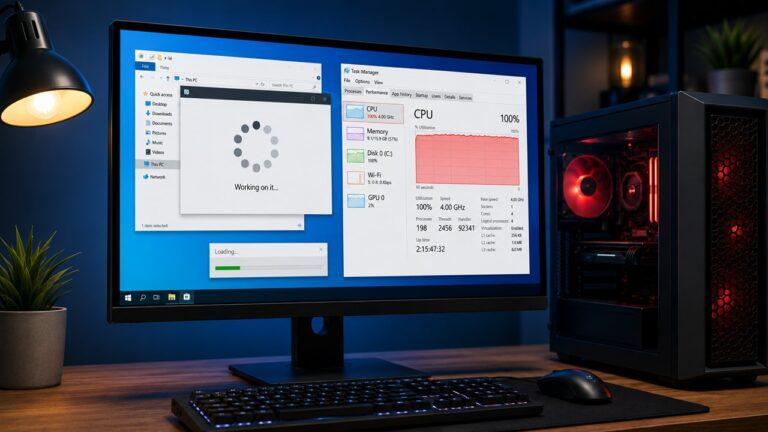
Your PC is usually slow because too many background apps are running, your RAM is overloaded, your storage drive is nearly full, your hard drive is too slow, or your computer is overheating. Malware...
Yes, you can upgrade a laptop, but only certain parts are usually upgradeable. In most laptops, you can upgrade or replace RAM, storage, battery, and sometimes the Wi-Fi card. However, important parts...
Yes, you can upgrade a desktop computer. Most desktop PCs are built with replaceable parts, which means you can add more RAM, install a faster SSD, upgrade the graphics card, replace the CPU, improve...
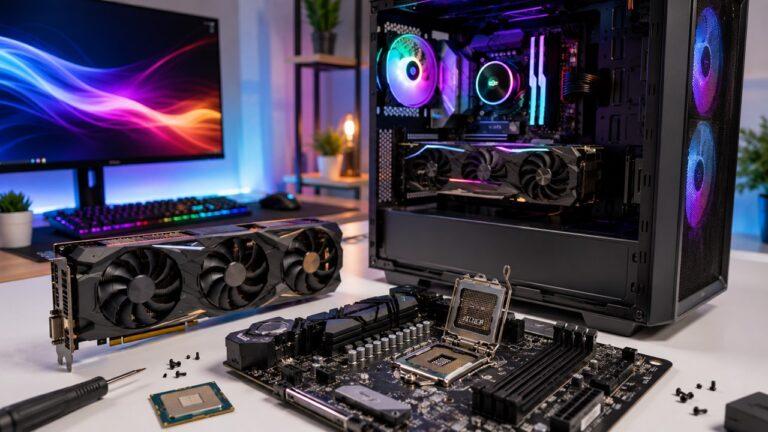
A CPU is the main processor that runs general computer tasks, system instructions, apps, and everyday operations. A GPU is a specialized processor built to handle many similar tasks at the same time...
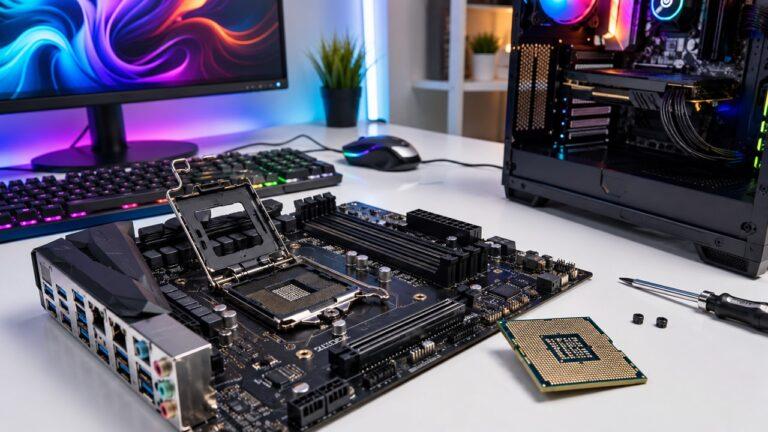
A CPU, or Central Processing Unit, is the main processor that runs instructions inside a computer. It fetches commands from memory, decodes them, performs calculations or decisions, and sends results...
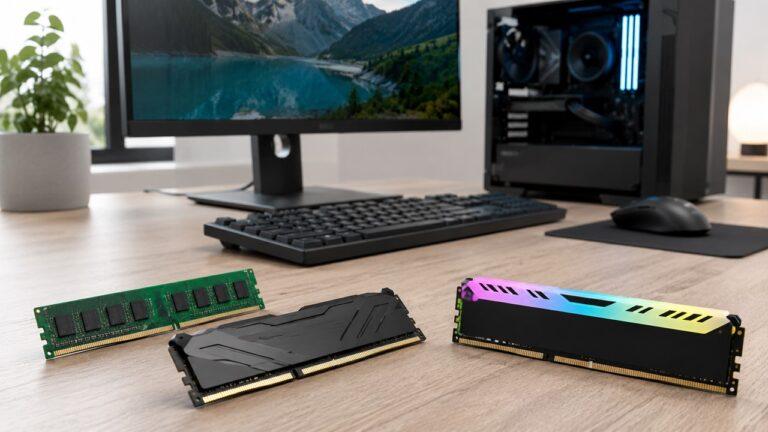
RAM helps your computer keep active work ready for quick access. In simple words, RAM is your computer’s short-term workspace. It temporarily holds the data your processor needs right now, such as...
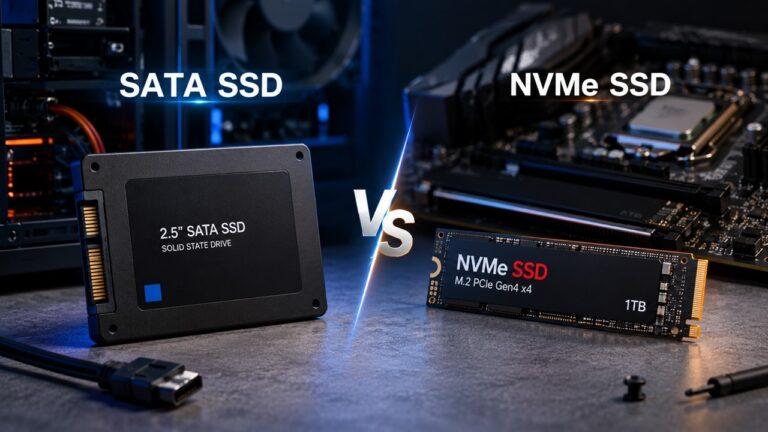
NVMe SSD is better for most modern PCs and laptops because it is much faster, cleaner to install, and better suited for Windows, gaming, editing, and heavy workloads. However, SATA SSD still makes...
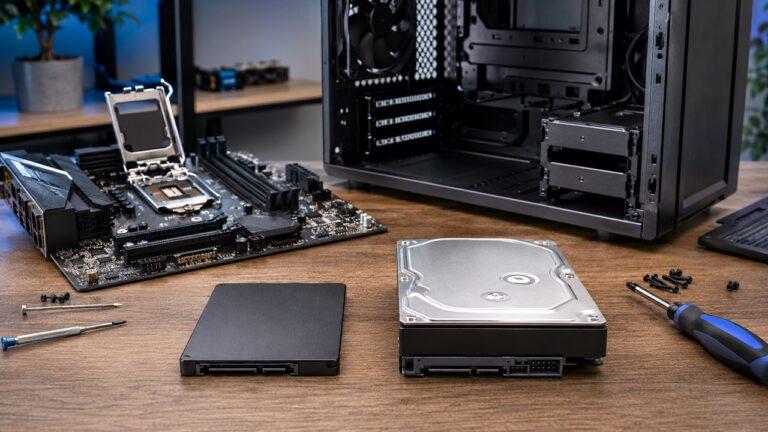
An SSD is better than an HDD for most people because it makes a computer feel faster, smoother, quieter, and more responsive. If you want quick boot times, faster app loading, better laptop...
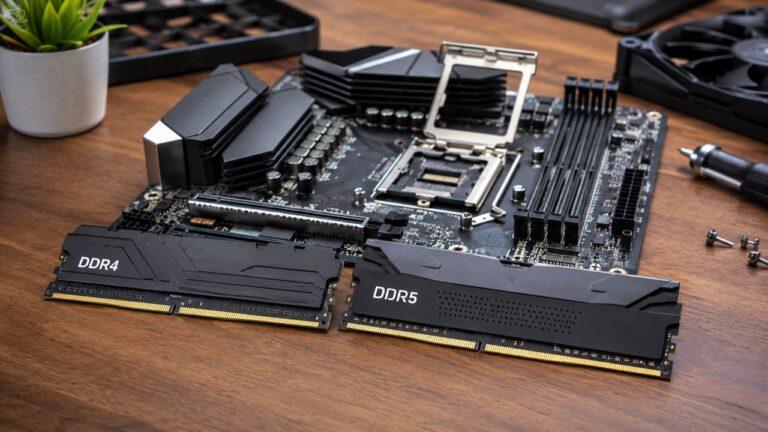
DDR5 is the better choice if you are building a new PC today because it gives you more bandwidth, higher capacity options, and better support for newer platforms. But DDR4 still makes sense if you...